MISTAKES WHEN DOING WATERPROOFING YOUR HOME THAT MAKE YOU WASTE MONEY

Post date : 23/07/2025

MISTAKES WHEN DOING WATERPROOFING YOUR HOME THAT MAKE YOU WASTE MONEY

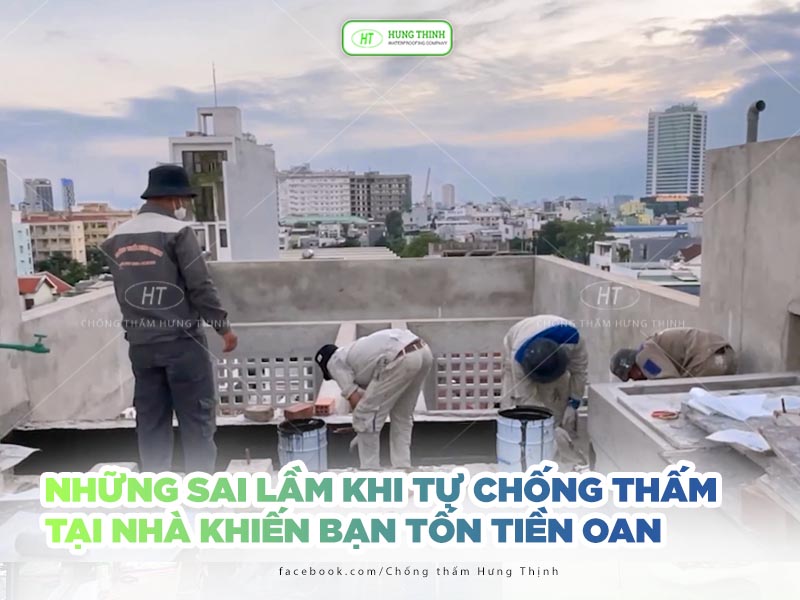
1. Self-Waterproofing - The Dangers of Improper "Saving"

Buying materials and doing waterproofing at home yourself seems simple but has great potential risks if you lack technical knowledge.

Waterproofing is completely different from other jobs such as painting walls or tiling. It requires high precision in surface treatment, material selection and construction process. A small mistake can also render the entire waterproofing system ineffective.

More: SOME COMMON CONSEQUENCES OF LEAKING ON ROOFS AND DECKS

2. 5 Mistakes When Waterproofing Your Home That Will Make You "Pay the Price"

1. Choosing the wrong material for the area that needs waterproofing

- Not all materials can be used in all locations.

For example:

- Wall waterproof paint cannot be used for roof floors.

- Non-elastic cement-based materials will crack structurally after a few months.

2. Applying when the surface is not clean or dry

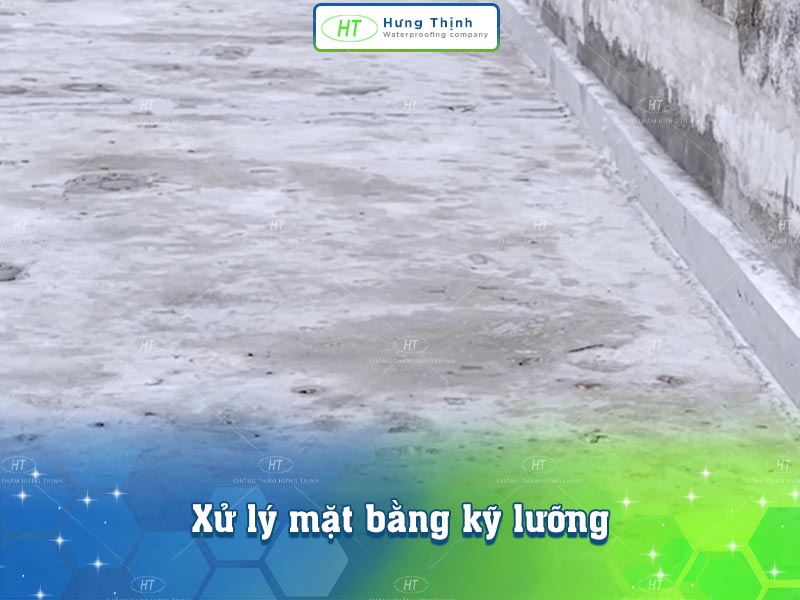
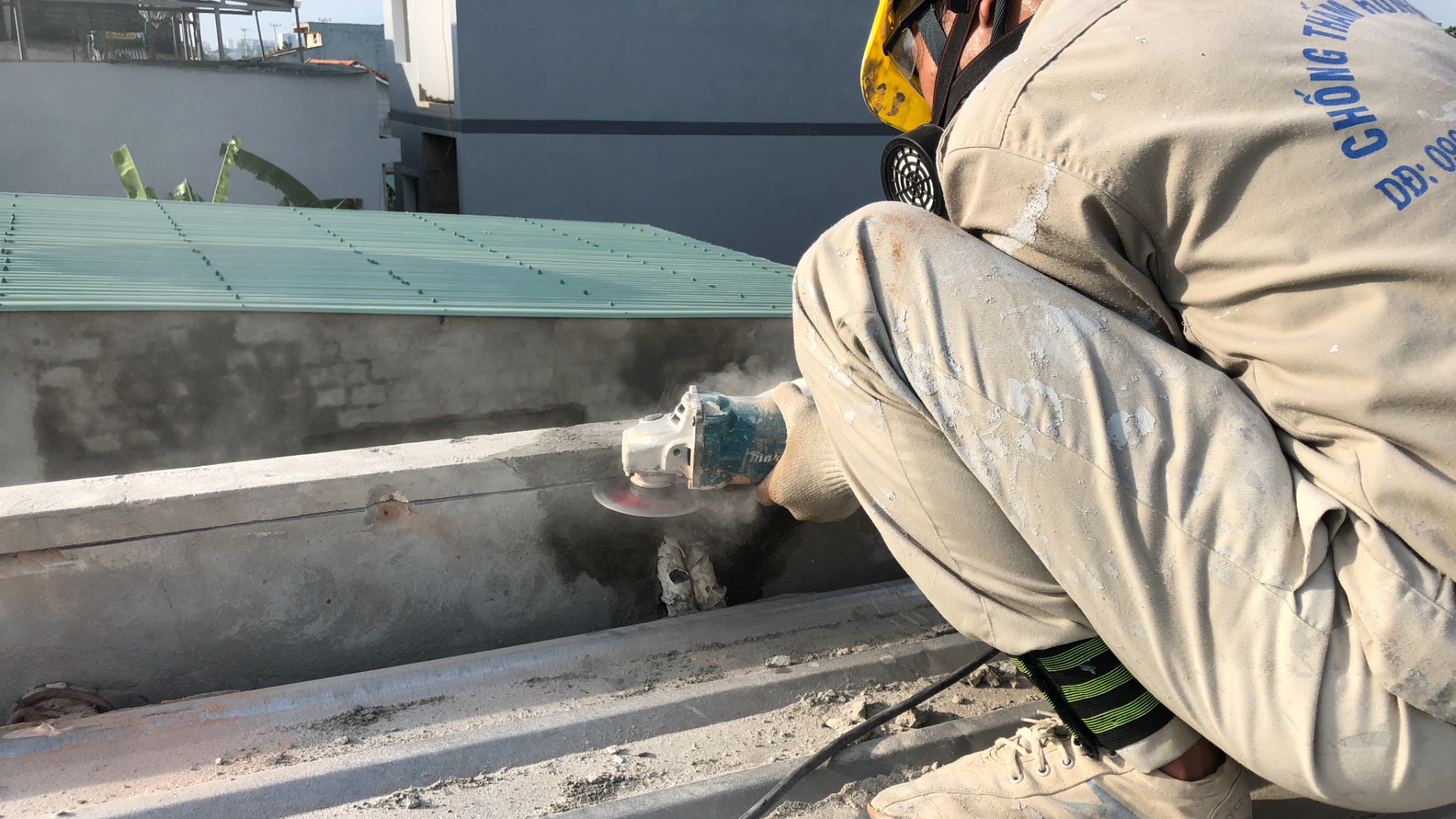
- Dirt, grease, old mortar... are the leading causes of waterproofing materials not sticking.

- Many people just brush it on and then apply the material – the result is that the waterproofing peels off after a few months.

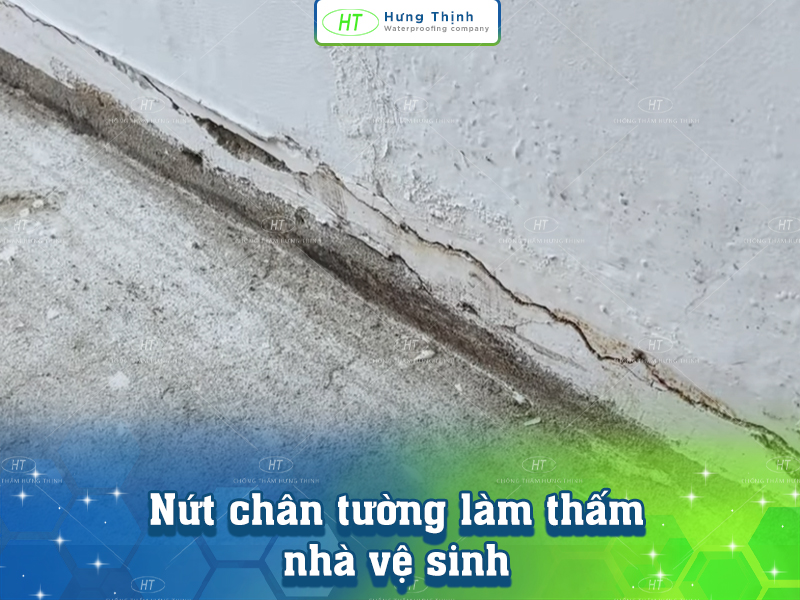
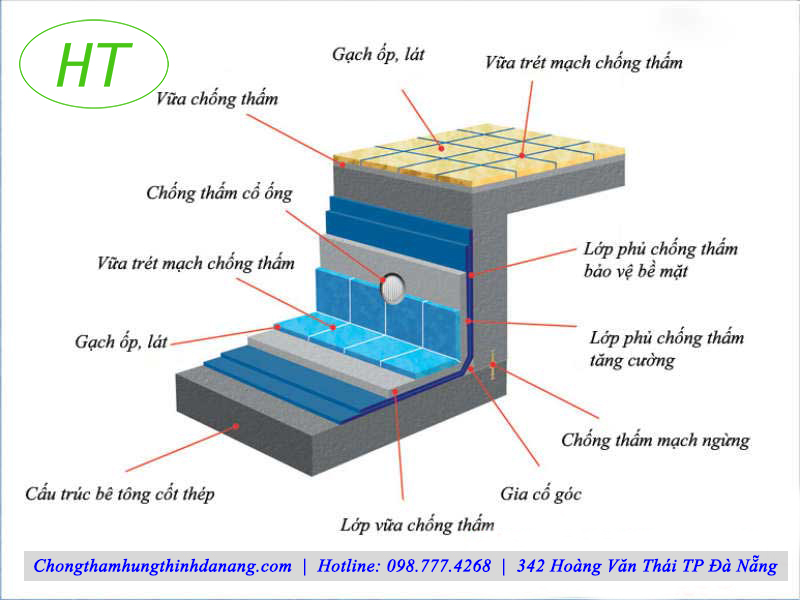
3. Ignore permeable details such as pipe collars and wall bases.

This is the most common weakness when waterproofing by yourself. Non-professionals often do not know how to handle cornering, seal cracks, or inject PU at stop joints.

Just a few months later, water seeped from the base of the wall, leaking around the floor drain, very difficult to handle again.

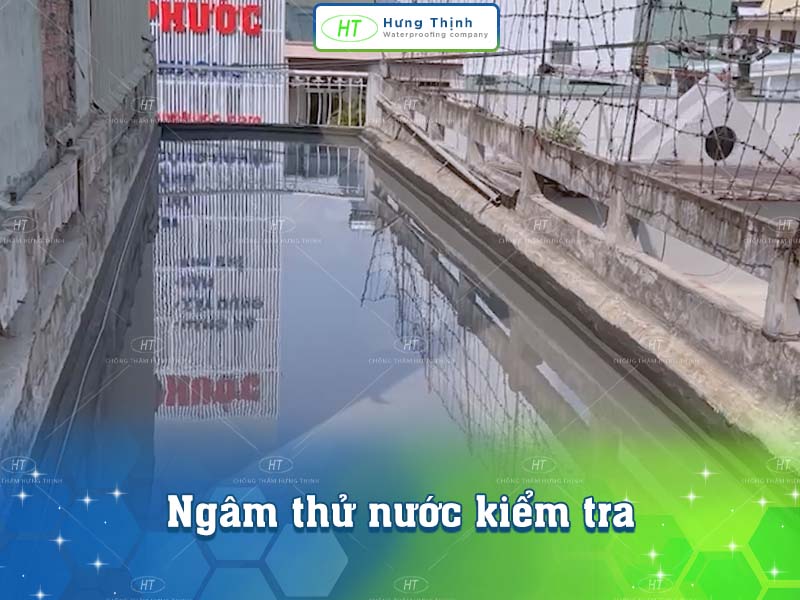
4. Do not test water after waterproofing

Once you do it yourself, it’s “done”, no one tests the water, no one checks. But testing the water is the only way to know if you did it right.

5. Using too little or applying the wrong material standards

Some people thin, thin, or apply insufficient layers to save money. This results in a waterproof layer that is too thin, discontinuous, and prone to breaking when stretched or soaked with water.

For cement-based products, apply 3 coats, 4–6 hours apart, for maximum effectiveness.

More: The harmfull effects of leaking exterior wall

3. Is self-waterproofing possible?

The answer is yes, but only if you:

- Understand the materials and where they are applied.

- Know how to handle surfaces properly.

- Do the right process, enough time.

- Have time to test the water and check carefully.

If unsure, it is advisable to seek professional help, as the cost of future repairs can be 3-4 times the initial cost.

At Hung Thinh's media channel, we have videos that guide the construction process with all the steps from preparing materials, handling the ground to applying the finished waterproofing membrane. You can watch them on our information channels to understand the method and do it yourself effectively.

With many years of experience of the construction team, Hung Thinh waterproofing undertakes construction in all three regions including Hanoi, Da Nang and Ho Chi Minh City. We have a team of technicians who specialize in checking and carefully consulting customers, ensuring thorough, clean and professional construction, committed to a long-term warranty.

More: Why is the wall leaking?

🍀Hung Thinh Waterproofing Company - Clean - Thorough and Professional Waterproofing.

🏡Headquarters: Lot 15, Area B3.12 Phan Ba ​​Vanh, Da Nang.

Saigon Branch: 162 Bui Thi Xuan, Ben Thanh Ward.

Hanoi Branch: 10B Do Nhuan, Xuan Dinh Ward.

📲 Hotline : 098.777.4268

🌺 Website: Hung Thinh Waterproofing

🌺 Youtube channel: Hung Thinh Waterproofing

🌺 Fanpage Facebook: Hung Thinh Waterproofing
Các tin tức khác