CHỐNG THẤM SẠCH SẼ - TRIỆT ĐỂ VÀ CHUYÊN NGHIỆP



Ngày Đăng : 26/06/2025
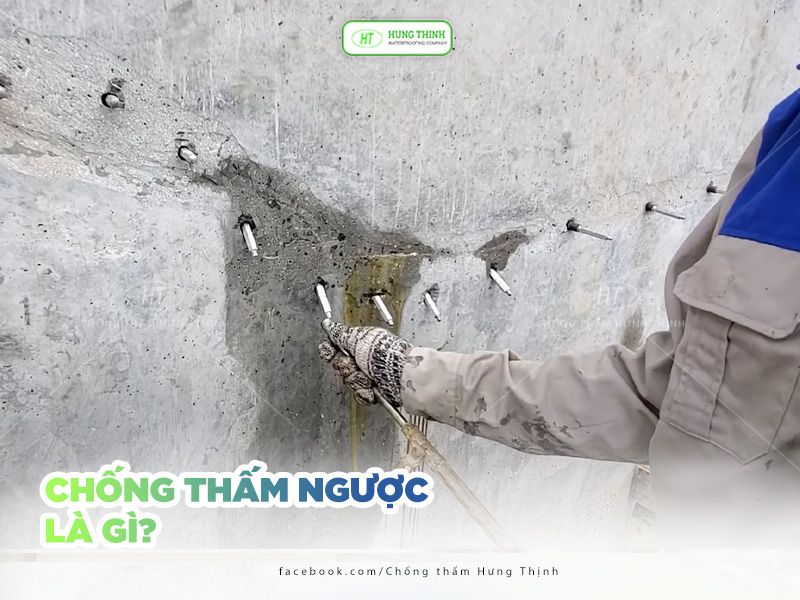
Tình huống phổ biến |
Vì sao không xử lý từ bên ngoài được |
Tường chung giáp ranh với nhà hàng xóm |
Không thể tiếp cận mặt ngoài |
Tầng hầm hoặc tầng âm |
Chịu áp lực nước từ đất nên cần xử lý từ phía trong |
Toilet bị thấm nhưng không đục sàn được |
Xử lý từ trần dưới bằng vật liệu chống thấm ngược |
Mái nhà phía trên thuộc hộ khác |
Không được phép thi công phần mái |
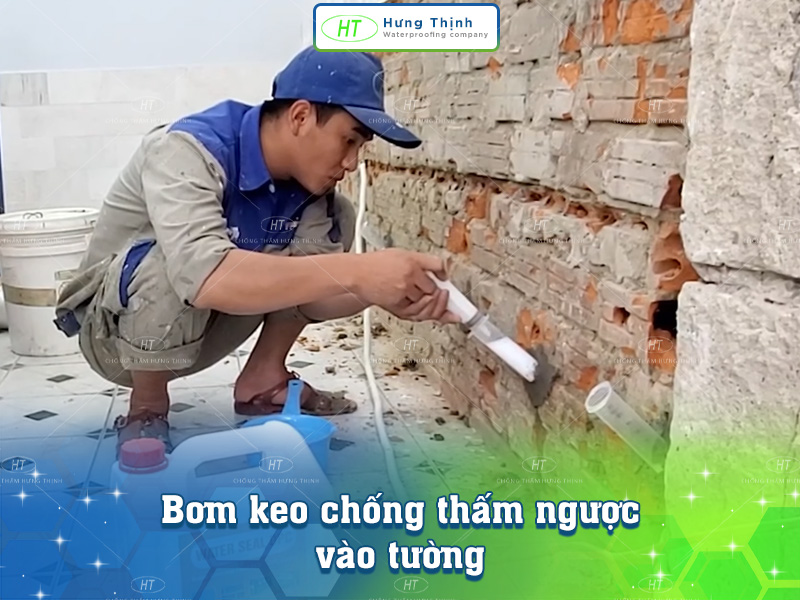
Ưu điểm |
Nhược điểm |
Không cần phá dỡ bên ngoài |
Hiệu quả phụ thuộc vào kỹ thuật thi công |
Thích hợp với nhà liền kề, chung cư |
Không hiệu quả nếu nguồn nước quá mạnh và không xử lý kỹ |
Vật liệu sẵn có, dễ thi công |
Cần hiểu đúng quy trình sản phẩm sử dụng mới được bền lâu |
 Công ty Chống thấm Hưng Thịnh - Chống thấm Sạch sẽ - Triệt để và Chuyên nghiệp.
 Trụ sở: Lô 15 Khu B3.12 Phan Bá Vành, Sơn Trà, Đà Nẵng.
 Hotline : 098.777.4268
 Website: Chống thấm Hưng Thịnh Youtube channel: Chống thấm Hưng Thịnh Fanpage Facebook: Chống thấm Hưng Thịnh
Chống thấm Hưng Thịnh là Dịch vụ chống thấm dột uy tín, chất lượng hàng đầu tại thành Phố Vinh Liên hệ ngay Hotline: 098 777 4268 để được tư vấn và khảo sát miễn phí.
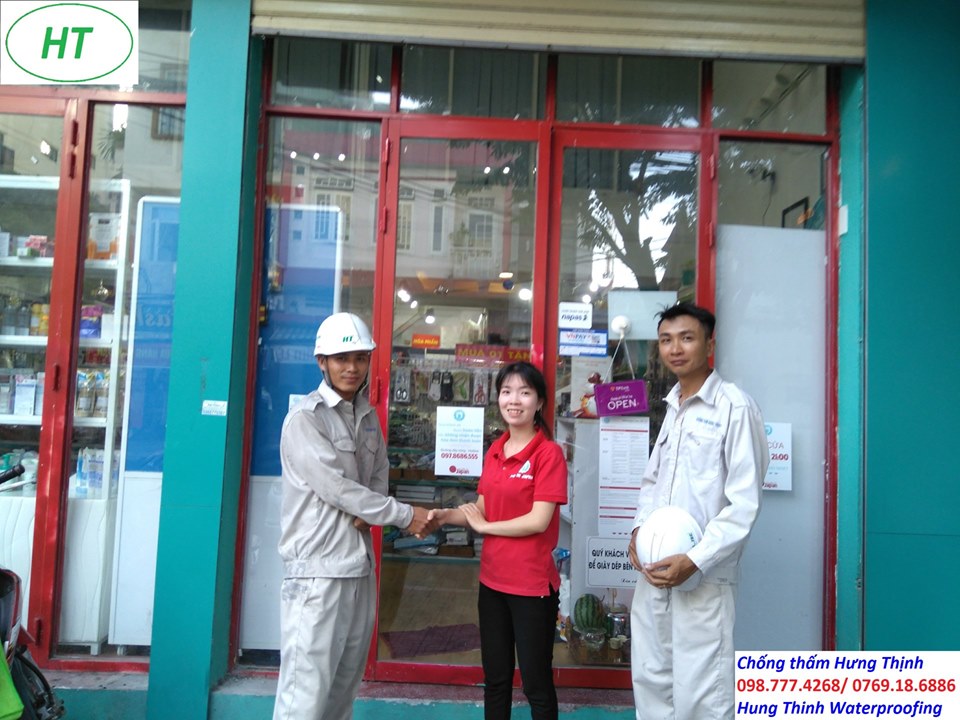
Dịch vụ chống thấm hàng đầu tại Huyện Quế Sơn Tỉnh Quảng Nam
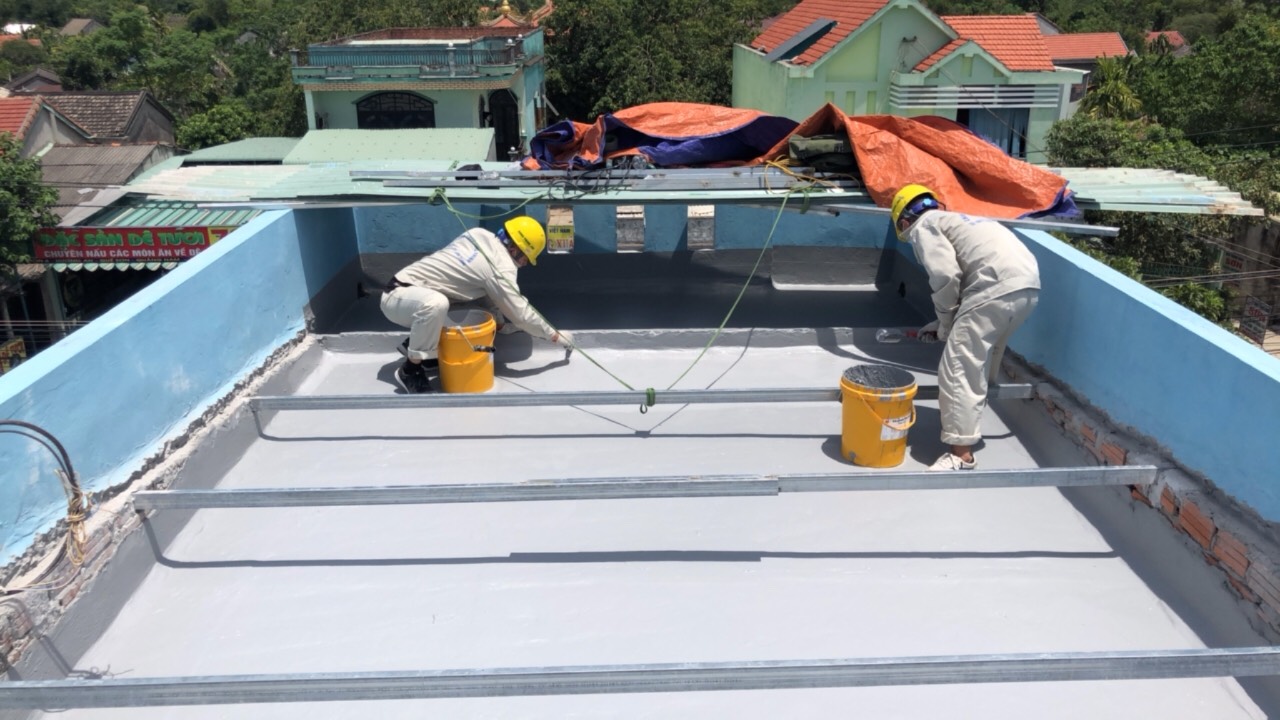
Công ty chúng tôi cung cấp các dịch vụ thi công và xử lý chống thấm tại Núi Thành, Quảng Nam cho công trình lớn và nhỏ.
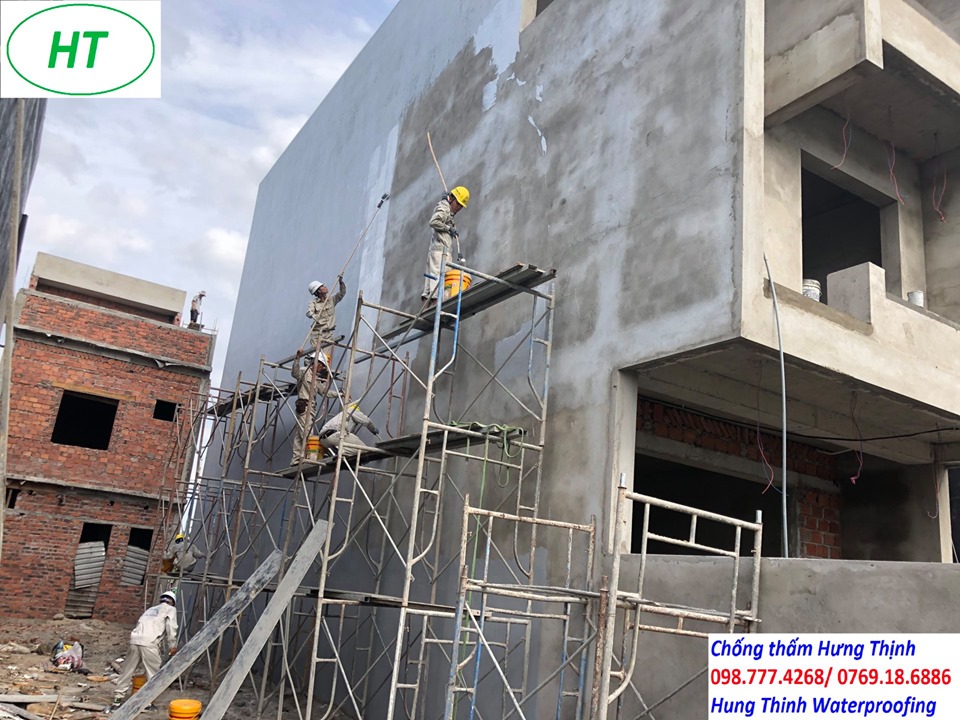
Công ty chống thấm Hưng Thịnh thi công chống thấm tại huyện tiên phước tỉnh quảng nam, Công ty chúng tôi là công ty chống thấm Hàng đầu tại Quảng Nam, Đà Nẵng nên quý khách yên tâm về tính chuyên nghiệp- uy tín- chất lượng.
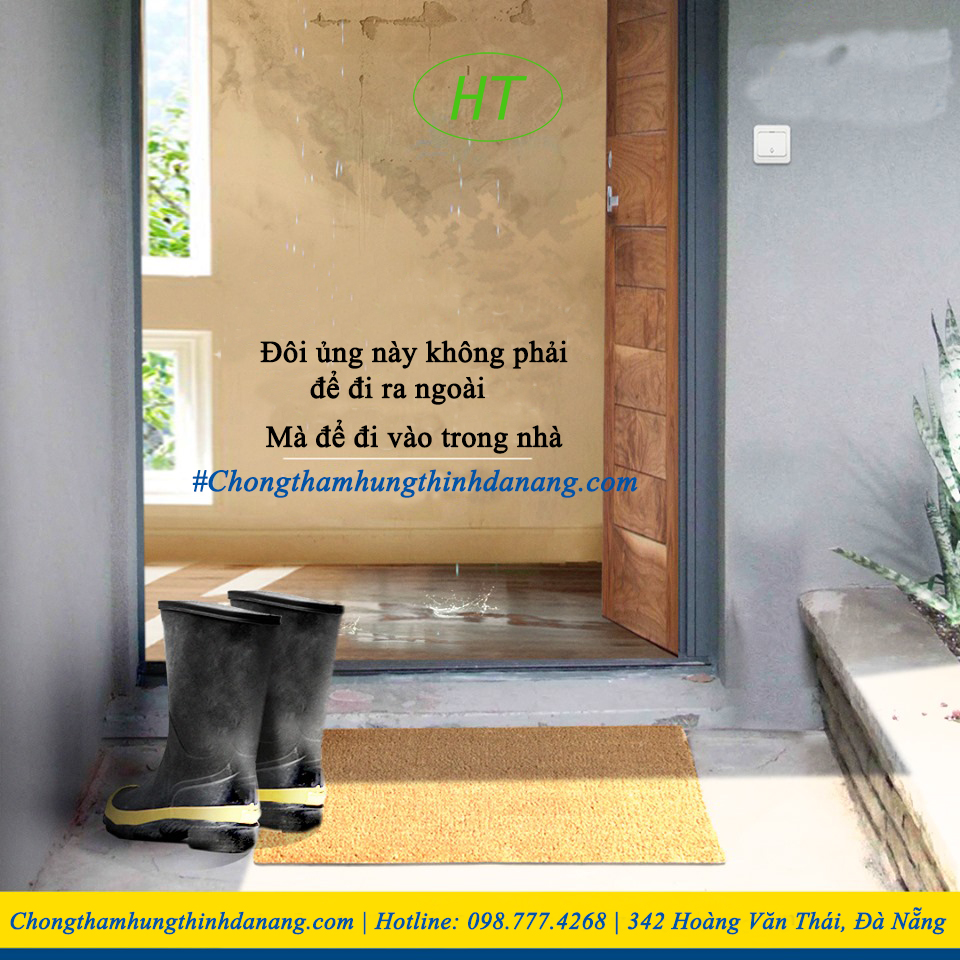
Chúng tôi nhận thi công chống thấm nhà vệ sinh tại quận thanh khê - đà nẵng. Công ty chống thấm Hưng Thịnh là công ty chống thấm hàng đầu tại Đà Nẵng với nhiều chính sách hấp dẫn cho khách hàng.
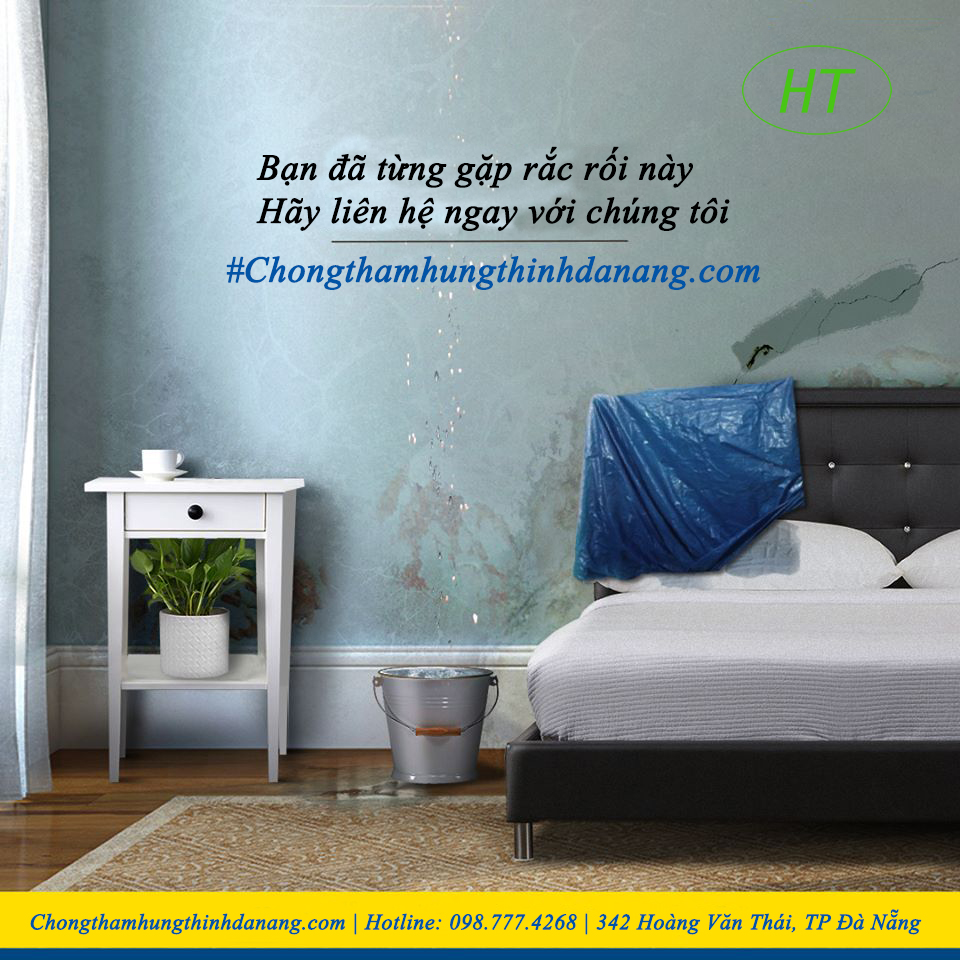
Bạn có nhu cầu chống thấm dột tại huyện Hòa Vang, Đà Nẵng nhanh chóng, triệt để. Liên hệ 098.777.4268 để sử dụng dịch vụ chống thấm tốt nhất, cam kết xử lý triệt để vấn đề thấm dột, tư vấn hỗ trợ nhiệt tình.

Tư vấn chi tiết cách chống thấm tường nhà triệt để, đảm bảo chất lượng, hiệu quả tối ưu với phương pháp xử lý chống thấm tận gốc, thi công nhanh chóng, chi phí tiết kiệm, giá rẻ nhất.
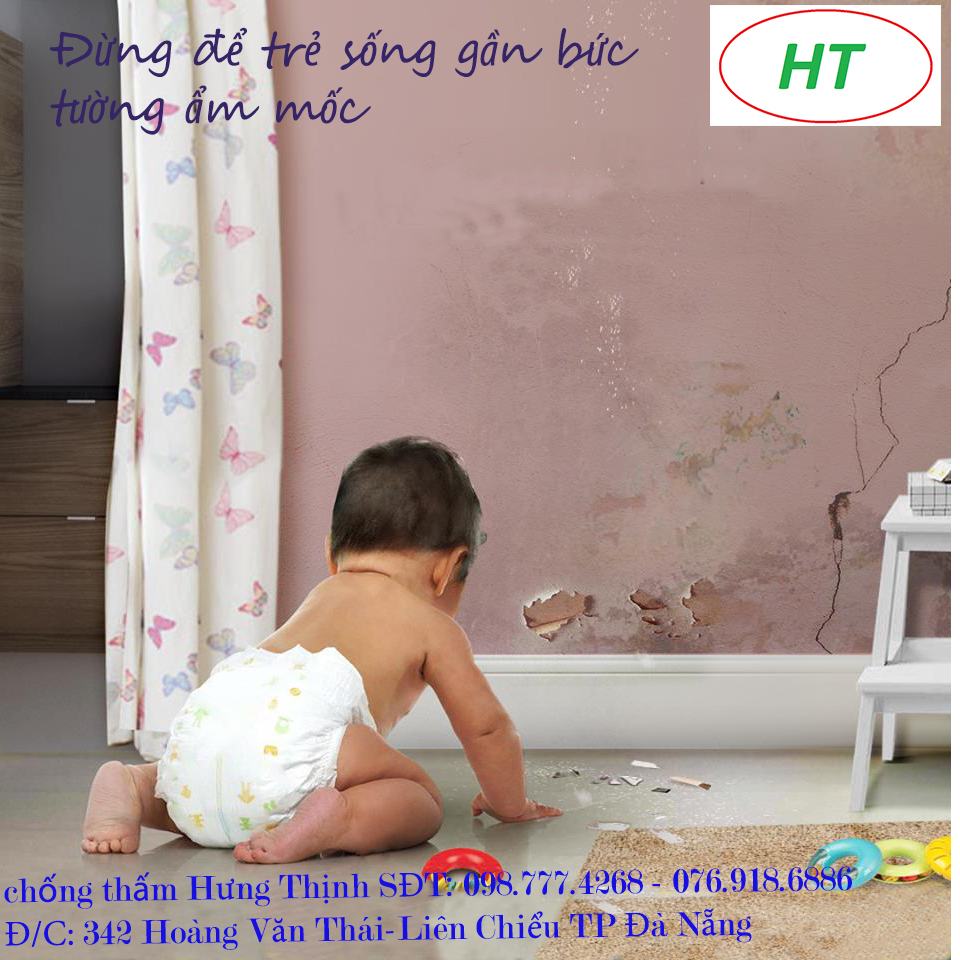
Công ty chống thấm Hưng Thịnh chuyên cung cáp dịch vụ chống thấm trên địa bàn quận Cẩm Lệ. Với đội ngũ nhân viên chống thấm tay nghề lâu năm, sử dụng vật liệu và công nghệ chống thấm tiên tiến nhất hiện nay.
Địa chỉ: Lô 15 khu B3.12, Phan Bá Vành, Sơn Trà, Đà Nẵng
Hotline: 098.777.4268
Email: chongthamhungthinhdanang@gmail.com